Source Walking Type Diesel Compost Turner for Farms
Compare 30 walking type diesel compost turner models from verified Chinese manufacturers. Buyers can evaluate specifications like working width, power source, and capacity for animal manure waste compost fermentation and organic fertilizer production; compare the available evidence and request quotations based on your requirements.
Key considerations
Products List


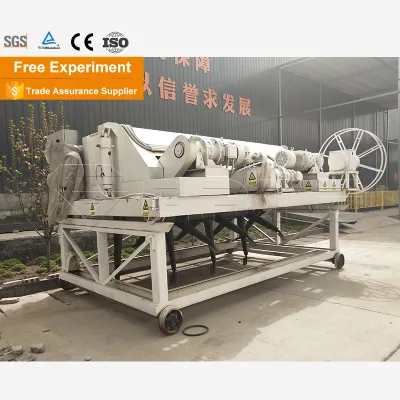
Wheeled Type Tractor Trail Compost Turner Agriculture Machine Compost Turner
$3650.00 - $11200.00
Moq: 1




Comprehensive Sourcing Guide
Walking Type Diesel Compost Turner Sourcing Guide
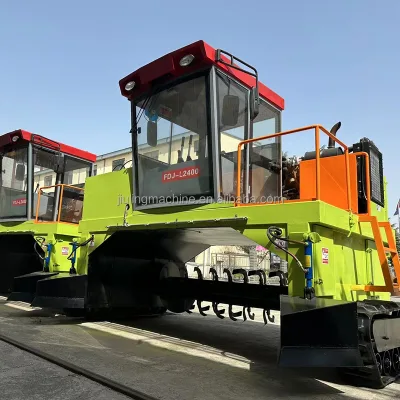
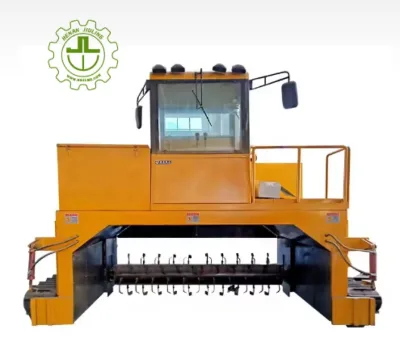
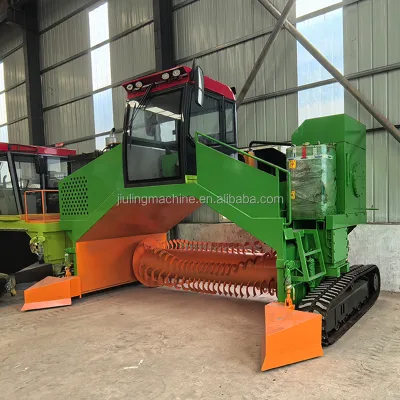
Procuring a walking type diesel compost turner requires distinguishing between tractor-pulled units and self-propelled diesel models, as the supplied data highlights a mix of tractor PTO shafts and diesel fuel types. Buyers must verify the power source specification carefully, noting that while some models rely on tractor power, others explicitly list diesel as the fuel type for independent operation. This distinction dictates the necessary infrastructure and operator skill set at the fermentation site.
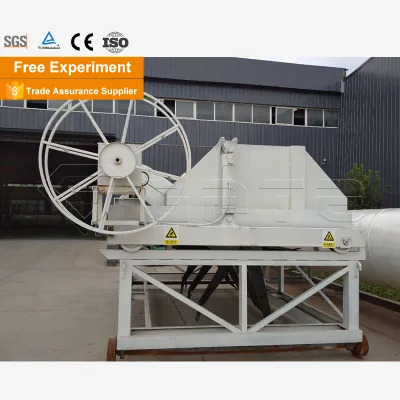
The observed product range includes various configurations such as groove type and wheel type turners, with working widths ranging from 2 to 3.5 meters. When sourcing, buyers should confirm whether the machine is designed for specific windrow widths like 2m, 2.5m, or 3m, as these dimensions directly impact the efficiency of the composting process. Ensuring the machine matches the physical layout of the composting facility is the first critical step in avoiding operational bottlenecks.
Product Scope and Observed Listing Signals
The market listings indicate a diverse scope of compost processing equipment, ranging from simple tractor-towed units to more complex self-propelled diesel models with varying working heights. Buyers should expect to see specifications for working heights between 1.1 and 1.8 meters, which must align with the desired windrow height for effective turning and aeration. The presence of customization options suggests that manufacturers can adapt the machine color or specific dimensions to fit unique site requirements.
Listing signals also reveal that these machines are primarily designed for animal manure waste compost fermentation, utilizing organic manure as the raw material. The observed selling points emphasize high efficiency and low energy consumption, which are critical for reducing long-term operational costs in large-scale facilities. Buyers must scrutinize the specific model numbers, such as ZFQ or FDJ series, to ensure the listed capacity matches the intended daily throughput of 1 to 30 tons per hour.
Technical Specifications to Verify
Technical verification must begin with the core component and power transmission system, as the data shows a split between motor-driven units and tractor PTO shafts. Buyers should explicitly confirm the voltage requirements, noting that some models operate on 220V or 380V, which impacts the electrical infrastructure needed for the site. Additionally, the matching power for tractor-pulled models ranges from 60 to 200HP, a factor that determines the size of the tractor required to operate the equipment effectively.
The physical dimensions and working parameters are equally critical, with observed working widths spanning 2 to 3.5 meters and working heights between 1.1 and 1.8 meters. Buyers must verify the maximum windrow width capabilities, which are listed as 2m, 2.5m, 3m, or 3.5m depending on the specific model. Confirming these exact measurements ensures the machine can handle the specific volume and geometry of the compost windrows without requiring excessive manual intervention or site modification.
Compliance and Safety Documentation
Compliance verification is essential, as the supplied facts list CE and ISO certifications as standard attributes for these machines. Buyers should request current certification documents to confirm that the specific unit being purchased meets the required safety and quality standards for the target market. The presence of CE and ISO marks indicates adherence to international safety protocols, but the documentation must be valid and specific to the model number to ensure legal importation and operation.
Safety documentation also includes details on the machine's operational features, such as the availability of video technical support for after-sales service. Buyers should ensure that the supplier provides clear manuals and safety guidelines that cover the operation of the diesel engine and the mechanical turning mechanisms. Verifying that the machine color options like red, yellow, or blue are available can also be part of a broader safety strategy to ensure high visibility on the composting site.
Cost Drivers and Commercial Terms
Cost drivers for these machines are heavily influenced by the power source, with diesel models generally commanding different price points than tractor-pulled alternatives. The observed price range of 3600 to 65800 USD reflects the variation in capacity, from smaller units to large-scale models capable of processing up to 100,000 tons per year. Buyers must correlate the listed price with the specific model's capacity and power rating to understand the value proposition and avoid overpaying for unnecessary features.
Commercial terms regarding packaging and shipping are also significant cost factors, with options ranging from standard sea freight packaging to steel frame work packages. The data indicates that some units are packed in standard wooden packages, while others are shipped directly in containers or via rail transport. Buyers should clarify the Incoterms and packaging requirements to ensure the machine arrives without damage and to calculate the total landed cost accurately, including any additional freight charges.
Supplier Qualification and Quality Control
Supplier qualification should focus on the origin and manufacturing capabilities, as the data points to suppliers located in Shandong, China, a known hub for agricultural machinery. Buyers must verify the supplier's ability to provide customization and their track record with the specific models listed, such as the ZFQ or SDCFP series. The availability of video technical support suggests a level of remote assistance capability, which is a positive indicator of the supplier's commitment to after-sales service.
Quality control measures should include a review of the raw materials used, specifically the organic manure compatibility and the durability of the machine's construction. Buyers should request evidence of the machine's performance in similar applications, such as animal manure waste compost fermentation, to validate the claims of high efficiency and low energy consumption. Ensuring that the core components, such as the motor, are of high quality is vital for maintaining the machine's longevity and operational reliability.
Long-Term Procurement Checks
Long-term procurement checks must include a review of the machine's maintenance requirements and the availability of spare parts for the specific model. Buyers should confirm the lead times for restocking critical components and the supplier's ability to provide ongoing technical support through video assistance. The standard sea freight or wooden packaging should be evaluated for its ability to protect the machine during long-term storage or transport to remote locations.
Finally, buyers should establish a protocol for monitoring the machine's performance against the stated specifications, such as the working width and height. Regular checks on the fuel consumption and the efficiency of the turning mechanism will ensure the machine continues to meet the high efficiency and low energy consumption standards observed in the initial listings. Maintaining a clear record of the machine's operational history will help in planning future upgrades or replacements within the composting facility.
FAQs
What is the typical working width for a walking type diesel compost turner?
The typical working width ranges from 2 to 3.5 meters depending on the specific model selected. This dimension allows for efficient processing of organic manure waste in fermentation applications. Buyers should verify the exact width against their windrow size requirements to ensure optimal coverage and operational efficiency during the composting process.
Can a walking type diesel compost turner be customized for specific needs?
Yes, customization is available for many models to suit unique operational requirements. Manufacturers often offer options for machine color, such as red, yellow, or blue, and can adjust dimensions like working height. This flexibility ensures the equipment integrates smoothly into existing facilities while maintaining high efficiency and low energy consumption during daily operations.
What certifications are required for walking type diesel compost turner suppliers?
Suppliers typically provide CE and ISO certifications to ensure compliance with international safety and quality standards. These documents verify that the machinery meets necessary engineering requirements for export and domestic use. Buyers should request these certificates to confirm the product's reliability and adherence to established manufacturing protocols before finalizing any procurement agreements.
How is the power supplied to a walking type diesel compost turner?
Power is supplied via a diesel engine or a tractor PTO shaft, depending on the model configuration. Some units operate on 380V or 220V electrical systems for specific components. This versatile power delivery ensures reliable performance in various field conditions, allowing for continuous turning and mixing of organic compost without external power constraints.
What is the standard packaging method for shipping these machines?
Standard packaging includes sea freight containers, wooden packages, or steel frame structures to protect the equipment during transit. This robust packaging ensures the machinery arrives without damage, preserving critical components like the motor. Buyers should confirm the specific packing method with the supplier to align with their logistics and handling capabilities at the destination port.
What after-sales support is provided for walking type diesel compost turners?
Video technical support is commonly provided to assist with installation, operation, and maintenance. This remote assistance helps resolve technical issues quickly without requiring immediate on-site visits. Buyers benefit from this support by ensuring continuous operation and minimizing downtime, which is crucial for maintaining efficient compost fermentation processes in large-scale agricultural operations.